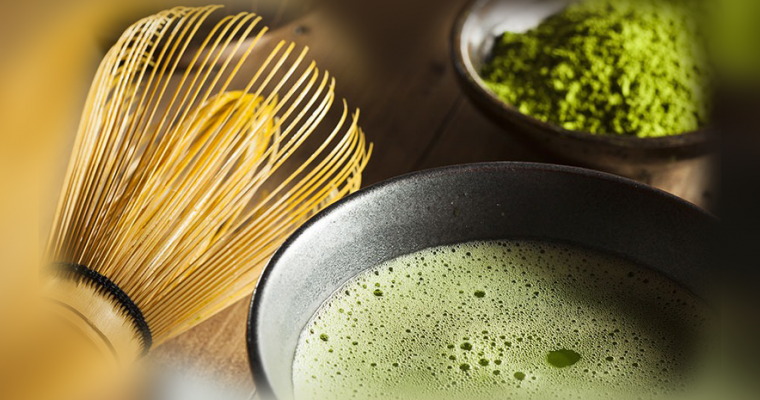
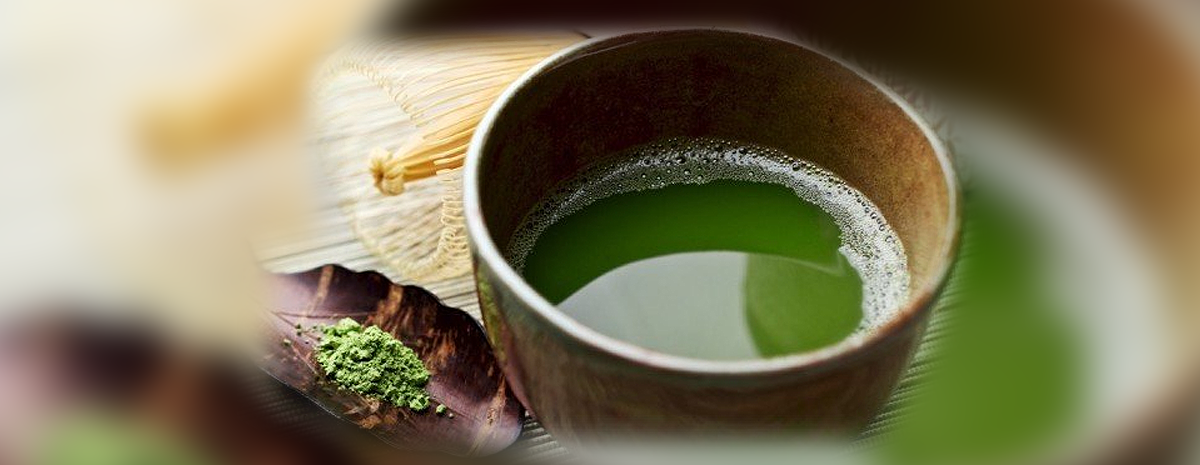
Matcha is green tea made from finely ground tea leaves. Instead of steeping leaves and removing them, you whisk the powder into water and drink it as part of the cup. Its colour, flavour and texture vary with the tea and how you prepare it.
What makes it different?
The leaves used for matcha are typically shaded before harvest, processed into a tea called tencha, then ground. Shade growing and processing influence the tea’s flavour, but they do not make every powder taste the same. A well-made bowl can be savoury, gently sweet or pleasantly brisk; a harsh cup may reflect the powder, the water or the amount used.
With ordinary loose-leaf green tea, you steep leaves and pour off the liquid. With matcha, the fine powder remains suspended in the drink. That is the practical difference to understand first. It does not mean a cup delivers a predictable health outcome.
Your first cup
For a starting point, sift 2 g of matcha into a bowl, add about 60 ml of water cooled to roughly 80°C, and whisk until smooth. These are starting values, not rules: use less powder or more water if the flavour is too strong. The full preparation guide shows the steps and simple alternatives.
Matcha also works in milk drinks and recipes. If that is how you plan to use it, choose a powder for that purpose rather than paying more for a label you may not benefit from. Our first-purchase guide explains what to check.
The most useful way to learn is to make a small cup, note what you like, and change one thing at a time. If it tastes bitter or clumpy, the troubleshooting guide is a good next stop.
Preparation starting point: Ippodo Tea’s classic matcha method.