
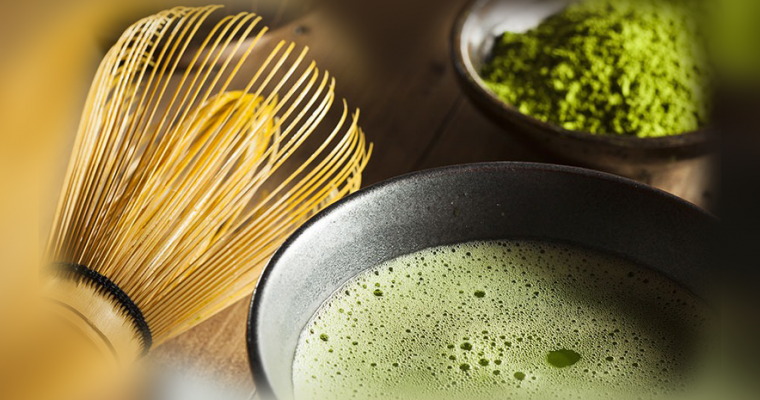
A disappointing bowl rarely has one universal fix. Start by identifying the problem, then change a single variable in your next cup.
Too bitter or harsh
Try a little more water or slightly cooler water. Check whether you used more powder than intended. Taste the powder in a simple bowl before masking it with milk or sugar; if repeated careful preparations remain harsh, that powder may not suit your palate. “Bitter” does not automatically mean the tea is unsafe or low grade.
Clumpy or gritty
Sift the powder before adding water. First stir it with a small splash of water to make a smooth mixture, then add the rest and whisk. Matcha is a suspension of fine leaf particles, so it is not expected to dissolve like sugar. A few settled particles are normal; dry lumps are a preparation problem you can improve.
Weak or watery
Measure the powder and liquid. If you are making a latte, remember that milk and melting ice dilute the matcha. Start with a concentrated matcha mixture, then add milk. You can use the ratio guide as a baseline.
Flat or stale
Check the package date and storage instructions. Keep an opened tin closed between uses and away from heat, light and moisture. The storage guide explains a simple routine.
If you are new to matcha, go back to the basic method and make two small cups with one controlled change. That comparison is more useful than changing powder, temperature, ratio and technique at once.