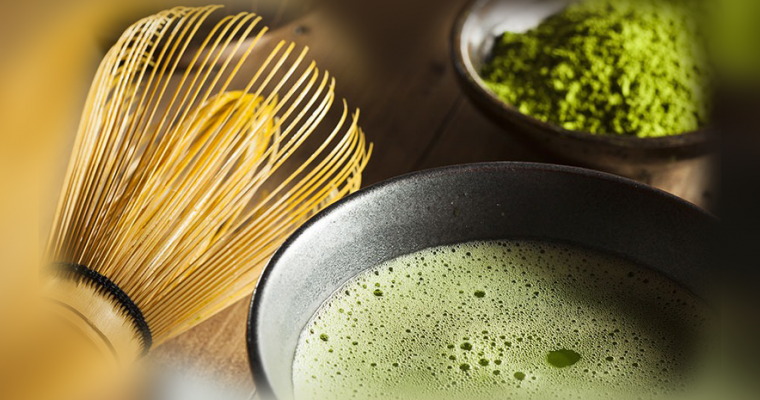
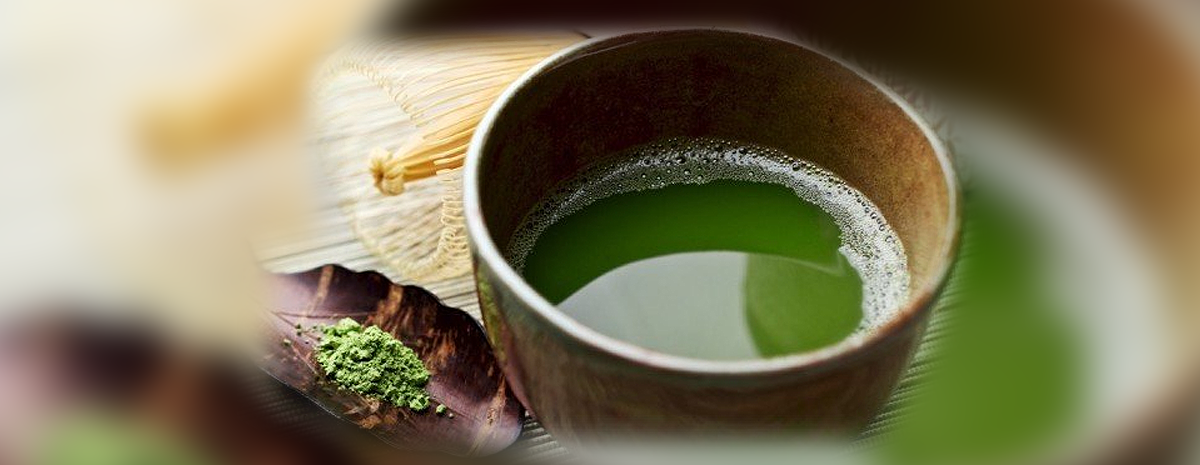
Matcha is green tea. The comparison people usually mean is matcha powder versus a green tea made by steeping loose leaves, such as sencha. Both begin with tea leaves; they differ in processing and what ends up in your cup.
| Matcha | Steeped green tea | |
|---|---|---|
| Before brewing | Fine powder made from processed tea leaves | Whole or broken leaves |
| Preparation | Powder is mixed into water | Leaves are infused, then usually removed |
| Texture | Opaque and sometimes foamy | Clearer infusion |
| Flavour | Often fuller and more concentrated | Varies widely, usually lighter in body |
Matcha leaves are generally shaded before harvest. That growing step is part of the method, but it is not a universal quality guarantee. Loose green teas also vary enormously by cultivar, harvest and processing. Comparing a poor matcha with an excellent loose tea tells you little about the categories.
What about caffeine?
Both contain caffeine. A meaningful comparison depends on how much dry tea you use, the individual product and the preparation. A single “matcha equals several cups of green tea” slogan is not a reliable way to choose a drink. See does matcha have caffeine? for a more useful approach.
Which should you choose?
Choose matcha if you enjoy a fuller, whisked drink or want a powder for a latte. Choose loose-leaf green tea if you prefer a lighter infusion and the experience of steeping leaves. Neither needs to be declared the healthier or more authentic choice. If you are curious about matcha, begin with our basic preparation method and adjust it to your taste.