
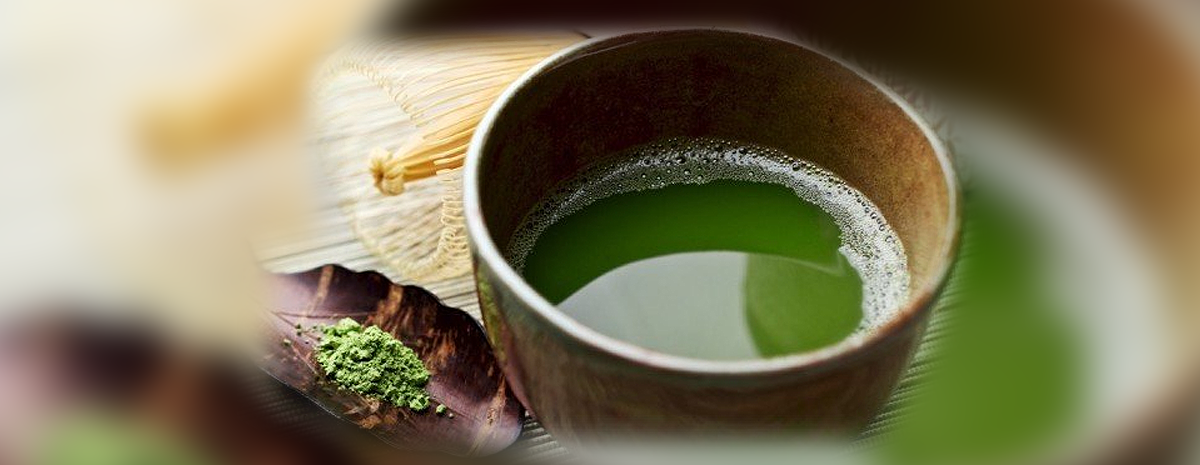
Yes. Matcha is tea and it contains caffeine. The amount in a cup depends on the powder itself and, most directly for a home drink, how many grams you use. A latte is not automatically lower in caffeine because it contains more milk; milk changes the drink’s volume and flavour, not the caffeine already in the matcha.
Why estimates differ
Published analyses of matcha samples report differing caffeine concentrations. One research review cites samples ranging from about 14 to 34 mg per gram in a referenced study, while other samples and products differ. A 2 g serving therefore should not be treated as one exact universal number. Product information or laboratory data for the specific powder is more useful if you need precision. See the published composition study.
Make your own cup easier to judge
Measure the powder you use. If you are sensitive to caffeine, start with less and note how the drink affects you. Consider other caffeine sources in your day. If you have a medical reason to limit caffeine, use the guidance of an appropriate healthcare professional rather than relying on a general tea article.
For comparisons with brewed tea, see matcha vs green tea. For a repeatable serving, start with our ratio guide. Claims that matcha inevitably gives a “crash-free” or uniquely therapeutic energy boost are not a substitute for knowing what is in your cup.