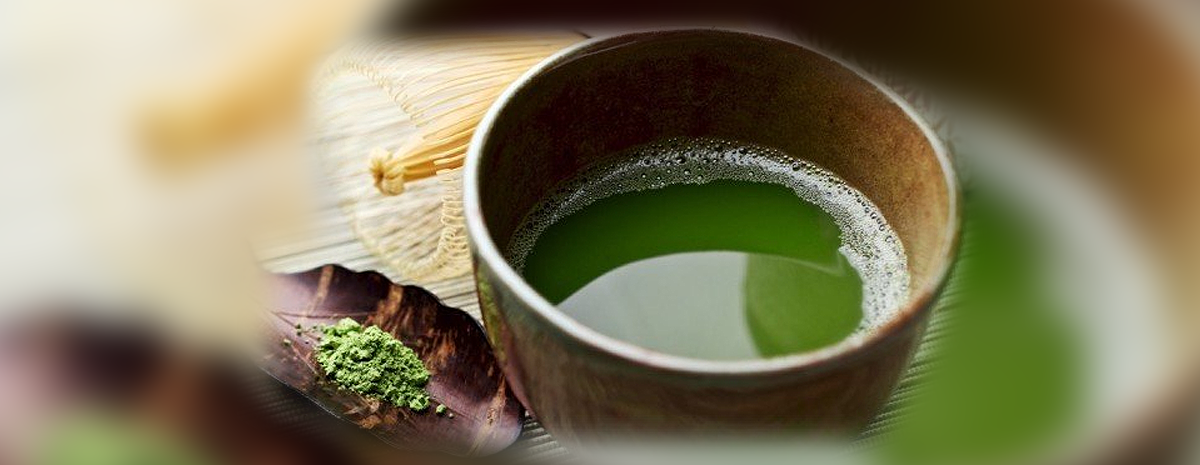
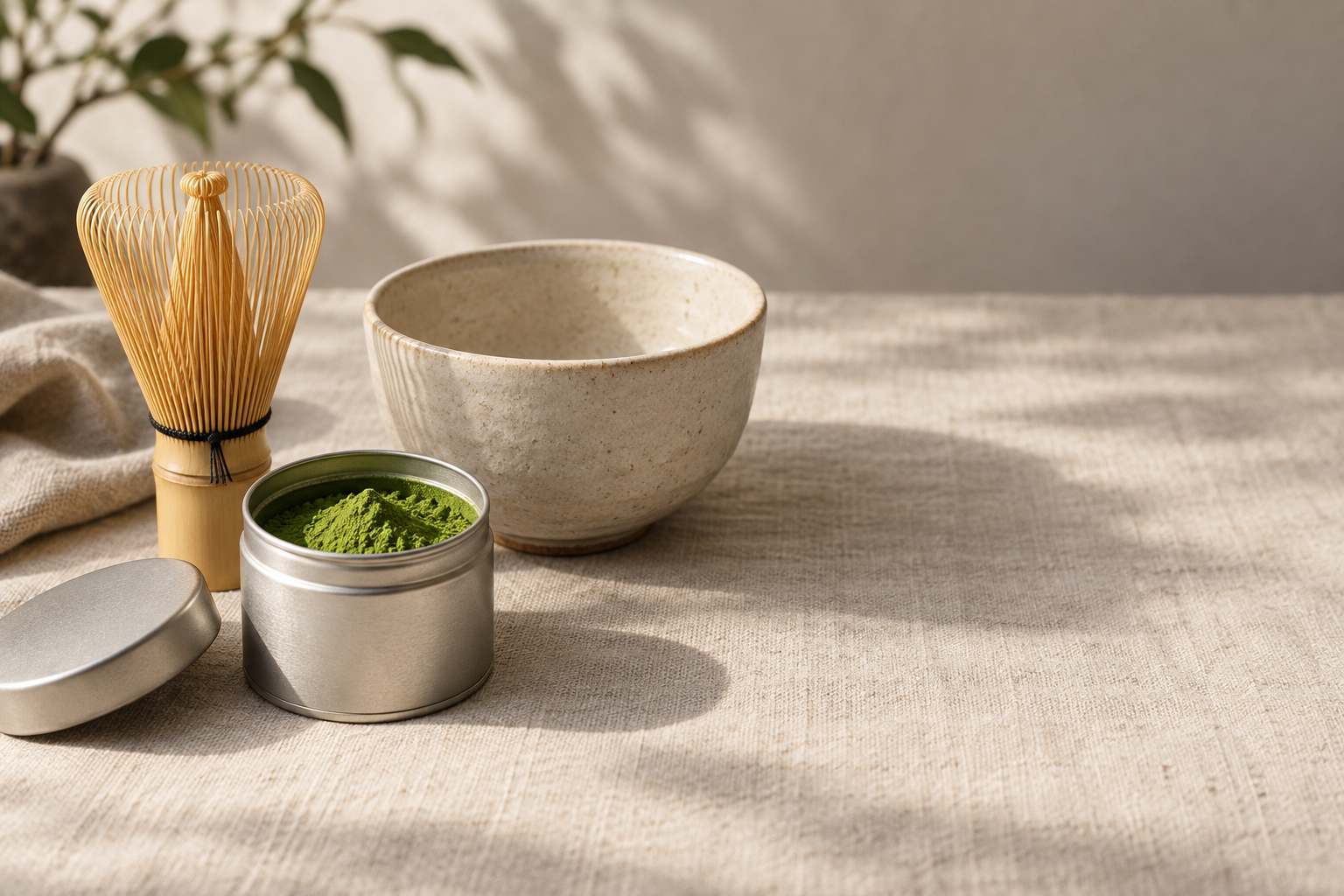
Matcha begins as leaves from the tea plant, Camellia sinensis. The plants are generally shaded before harvest. After picking, the leaves are steamed to halt oxidation, dried, and processed to remove much of the stem and vein material. The resulting tea, called tencha, is ground into powder.
That is the broad path. The details of cultivation, harvest, processing and grinding can differ between producers, and those differences affect flavour and price. The word “matcha” alone does not tell you where the leaves were grown or how recently the powder was packed.
Why shade the plants?
Shading changes the growing conditions before harvest and is a defining part of conventional matcha production. It helps shape the colour and flavour people associate with matcha. It is worth looking for a producer who explains its growing and processing methods, while treating sweeping claims about what one step “guarantees” with care.
Why is the powder so fine?
Fine grinding makes the tea suitable for whisking into water. It should disperse into a smooth drink, although sifting and proper whisking still help. Because the powder stays in the cup, freshness and storage matter from the moment you open the package.
When shopping, use this process as a starting question: where was it grown, when was it packed, and what preparation is it intended for? Our product-listing checklist turns those questions into a practical buying method.